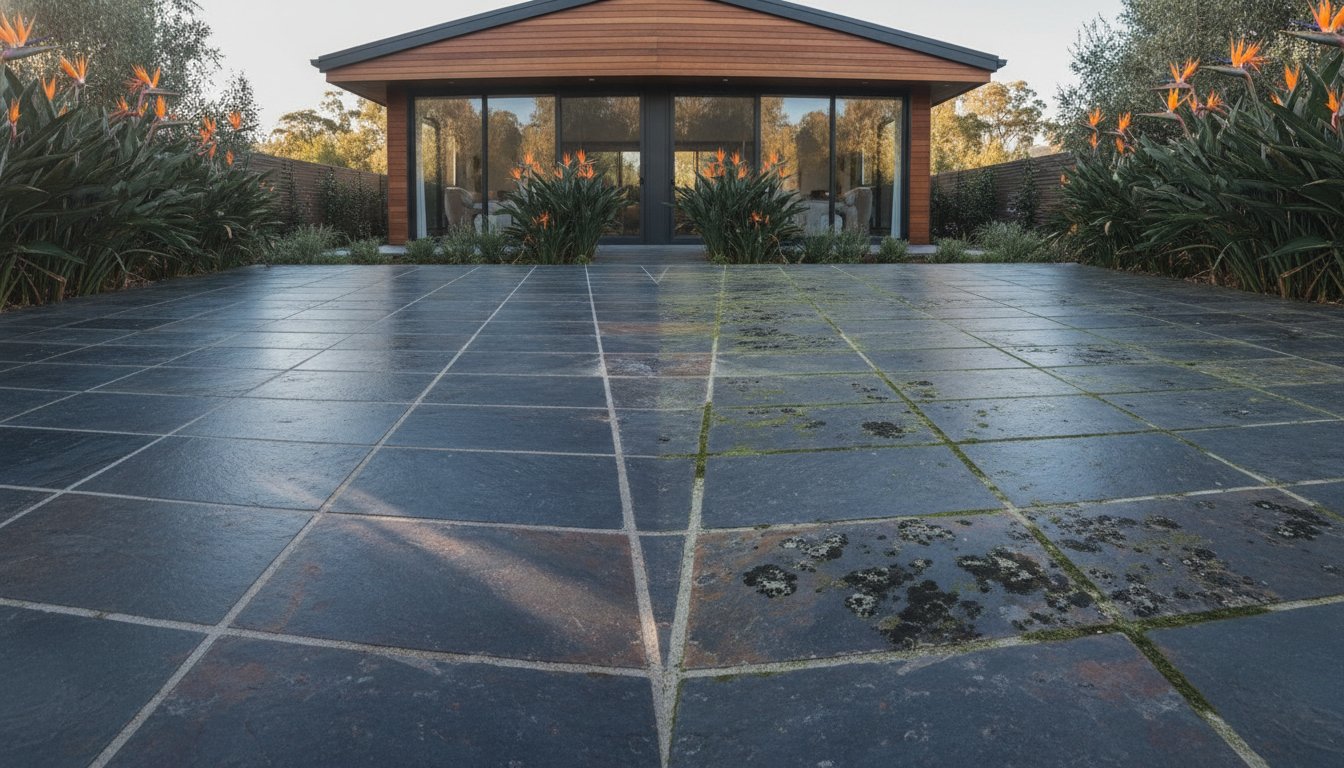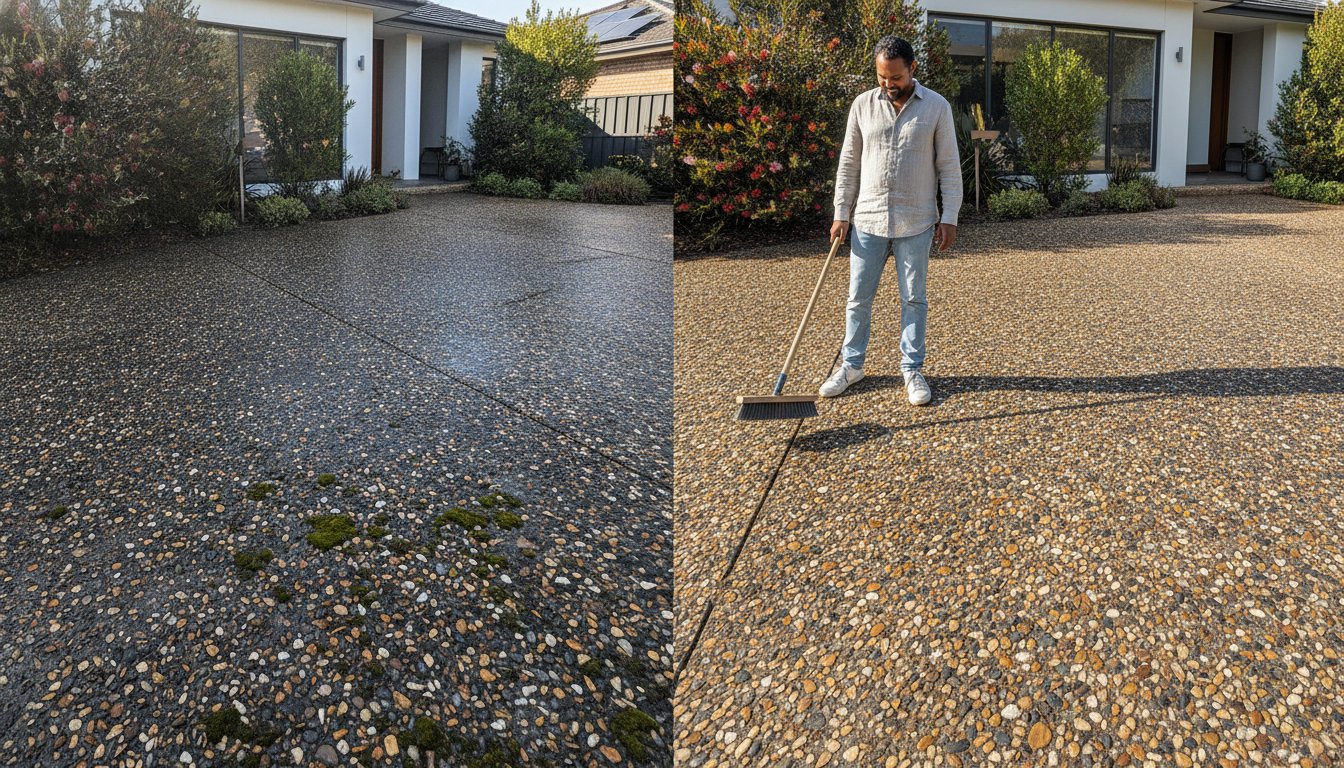
Have you ever spent an entire Saturday pressure washing your patio only to find those stubborn black spots still staring back at you? It’s incredibly frustrating when hours of hard work don't deliver the results you expected. If you're looking for the best way to clean granite pavers, you need to understand that those marks aren't just dirt; they're living organisms like black lichen that have rooted deep into the stone's pores. In humid Sydney conditions, standard cleaning often fails to stop recurring green algae from creeping back within weeks.
We agree that your expensive granite deserves better than harsh acids or endless scrubbing that risks damaging the surface. This guide will show you how to restore your pavers to their original showroom condition in under two hours using professional grade, acid free solutions. You'll discover a simple system to remove organic growth safely and, more importantly, how to prevent it from ever returning. We'll walk through the exact steps to achieve a brand new look and keep your outdoor space pristine year round.
Key Takeaways
- Understand why pressure washing alone fails and why using an acid free restoration liquid is the best way to clean granite pavers without damaging the stone.
- Learn how to achieve a showroom quality finish in under two hours with biodegradable formulas that are safe for your garden and pets.
- Discover the secret to eliminating stubborn black lichen spots and recurring green algae that standard household cleaners cannot reach.
- Master a simple maintenance strategy using a preventative treatment to stop organic spores from regrowing and keep your patio clear year round.
Understanding Granite Pavers and Why Standard Cleaning Fails
Granite is frequently marketed as a maintenance-free stone due to its legendary durability. While it's true that granite resists scratching and heavy wear, its crystalline structure contains microscopic pores that provide a perfect anchor for organic life. Finding the best way to clean granite pavers requires moving beyond surface-level dirt and addressing the biological roots of the problem. A quick sweep or a hose down handles dust, but it won't touch the algae and lichen colonising the stone. This explains why the common online advice to use "mild soapy water" fails to restore the stone's original hue. Soap simply cannot reach the spores embedded deep within the stone's surface. You can learn more about how it works to understand why a specialised solution is required for restoration.
What are those stubborn black spots on my granite?
Those persistent inky marks aren't oil spills or paint splatters. They are actually a resilient form of lichen known as "Black Spot." This organism treats your granite as a food source, anchored by filaments that grow into the stone's pores. In the humid conditions typical of Sydney, these spots thrive and expand rapidly. Because they are living organisms rooted within the material, they don't just sit on the surface; they become part of it, making them immune to standard scrubbing or household cleaners.
The hidden dangers of high-pressure washing
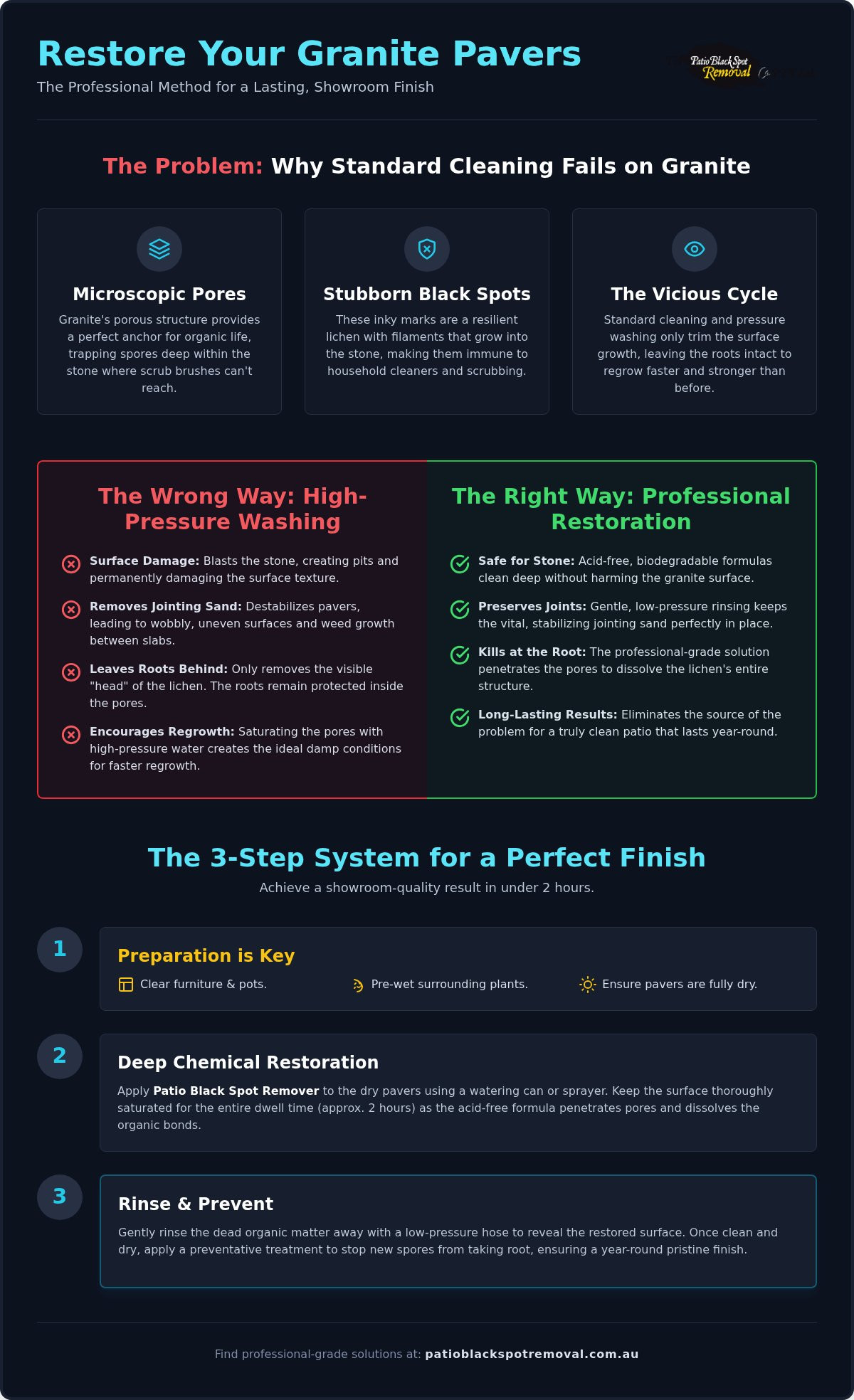
Many homeowners believe the best way to clean granite pavers is to use a high-pressure washer. However, this often causes permanent damage. High-pressure streams can pit the surface of the granite and blast away the vital jointing sand that keeps your patio stable. Even worse, pressure washing usually only removes the visible "head" of the lichen. The roots stay protected inside the stone, often regrowing faster than before because the process leaves the pores saturated with moisture. This creates a cycle of cleaning that never truly resolves the issue.
The Best Way to Clean Granite Pavers: A Professional Step-by-Step Guide
Restoring your patio requires a methodical approach rather than raw power. This preparation sets the stage for the best way to clean granite pavers without risking the integrity of the stone. Before applying any treatments, follow these essential steps:
- Clear all furniture, pots, and decorative items from the area.
- Pre-wet or cover any surrounding garden beds and grass to protect your plants.
- Ensure the granite surface is dry before you begin the chemical application.
Saturated soil prevents roots from absorbing the product, ensuring your landscaping remains lush and healthy while you work.
Step 1: Deep chemical restoration
Apply Patio Black Spot Remover for Natural Stone directly to the dry pavers using a pump-up garden sprayer. You must keep the stone thoroughly saturated during the entire process. If the solution dries out, it stops working, so keep a close eye on it during warmer Sydney days. This professional grade, acid-free formula needs time to penetrate the deep pores and dissolve the biological bond between the lichen and the granite. Within two hours, this method proves to be the best way to clean granite pavers because it effectively breaks down the organic matter that pressure washing simply cannot reach.
Step 2: Low-pressure rinsing
Once the dwell time is complete, it's time for the reveal. Use a garden hose or a pressure washer on a very low setting to gently lift away the dead organic matter. Unlike high pressure methods that blast out vital jointing sand and pit the stone's surface, this gentle rinse preserves the structural integrity of your patio. You'll see the original colour return instantly after treatment as the grey film of algae and black spots disappear. This thorough rinse is essential to ensure no organic spores remain. If you have specific questions about your patio's layout, feel free to get in touch with our team for expert advice.
Common Granite Stains and How to Eliminate Them
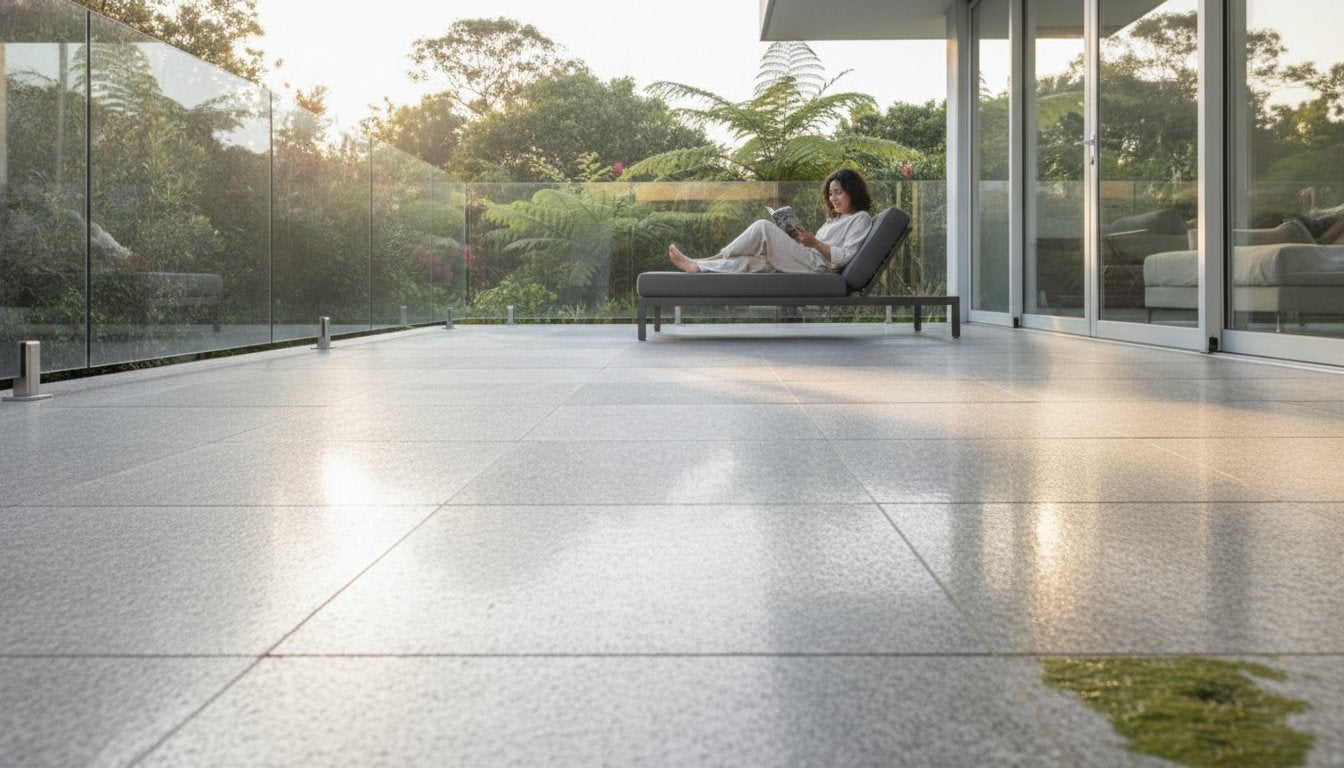
Many homeowners struggle with green algae that reappears just days after a standard wash. In the shaded or damp corners of a Sydney garden, moisture creates a constant breeding ground for organic growth. While common advice suggests using vinegar or bleach, these are often ineffective against deep-seated spores. Vinegar lacks the strength to kill lichen, and standard bleach simply cannot penetrate the stone's microscopic pores. The best way to clean granite pavers involves using a solution that targets these organic bonds without compromising the stone's mineral structure. This approach ensures that you aren't just washing away the symptoms, but treating the biological cause of the staining itself.
Why acid-free cleaning matters for granite
Acidic cleaners pose a significant risk to natural stone. Certain granite types contain trace amounts of iron that react poorly to acids. This reaction, often called "iron breakout," creates permanent orange rust stains that ruin the stone's aesthetic. Choosing an acid-free, biodegradable formula ensures you protect your investment while keeping your local backyard ecosystem safe for pets and plants. Patio Black Spot Remover is specifically engineered to avoid these chemical pitfalls while delivering professional results without the need for aggressive scrubbing.
Breaking the cycle of regrowth
Most cleaning methods only address surface debris, which is why the mess returns so quickly. True restoration requires killing the microscopic spores that hide beneath the surface. Understanding how the restoration process works at a biological level is key to maintaining a clear patio. This process also lifts leaf tannins and organic shadows that dull the stone's natural brilliance. If you're tired of temporary fixes and want a long-term solution, contact us for expert advice on your restoration project.
The 'Set and Forget' Maintenance Strategy for Granite
Once you've achieved that showroom finish, the focus shifts from restoration to preservation. The best way to clean granite pavers over the long term is to adopt a "set and forget" mindset. Instead of waiting for the stone to become heavily infested every few years, an annual maintenance routine keeps the surface pristine with minimal effort. This proactive approach saves time and protects the structural integrity of your patio by avoiding the need for aggressive cleaning cycles in the future.
Annual prevention vs. periodic sealing
Many homeowners are told that sealing is the only way to protect stone, but sealers often wear thin or trap moisture that encourages internal growth. Patio Black Spot Preventer is the missing link in stone care. It works by killing microscopic spores as they land on the surface, preventing them from ever taking root. By applying this treatment once a year, you remove the need for future pressure washing entirely, ensuring your granite remains as vibrant as the day it was laid.
Routine care tips for the Australian backyard
Sydney's humid summers and damp winters provide the ideal conditions for organic regrowth. To keep your stone looking its best, follow these simple routine habits:
- Regular Sweeping: Remove leaves and organic debris weekly to prevent tannin staining and the build-up of mud.
- Clear Drainage: Ensure your patio's drainage points are clear of blockage. Standing water creates "biofilms" that allow algae to thrive.
- Seasonal Check: Apply your preventative treatment in early spring or autumn to guard against peak growth seasons.
This simple checklist ensures a permanently clean granite patio without the back-breaking labour. By treating your stone as a living surface that needs occasional care, you'll enjoy a beautiful outdoor space year-round. It's much easier to maintain the colour you've restored than to start the process from scratch every decade.
Enjoy a Showroom-Quality Patio Year-Round
Restoring the natural beauty of your stone doesn't have to be a back-breaking chore that takes all weekend. We've explored how identifying the biological roots of black spots and avoiding damaging high-pressure water is the best way to clean granite pavers. By choosing a professional grade, acid free restoration system, you can lift years of organic growth and deep-seated stains in just two hours. A biodegradable formula ensures your garden and pets stay safe while your patio returns to its original showroom condition.
Don't let stubborn lichen and recurring algae dull your outdoor living space any longer. With an annual prevention strategy, you'll never have to face a massive restoration project again. It's time to reclaim your weekends and enjoy a pristine patio that stays clear throughout every season. Restore your granite pavers today with a professional-grade removal system and see the difference for yourself. Your stone is an investment that deserves the highest level of care.
Frequently Asked Questions
Can I use a pressure washer on my granite pavers?
You can use a pressure washer, but only on a very low setting for rinsing. High pressure can blast out vital jointing sand and cause permanent surface pitting. While many think high pressure is the best way to clean granite pavers, it actually leaves the deep-rooted lichen filaments behind. This causes organic growth to return faster. Using a low pressure rinse after a chemical treatment is much safer for the stone's integrity.
Is patio black spot remover safe for my dogs and cats?
Yes, Patio Black Spot Remover is safe for pets once the area's been thoroughly rinsed and dried. The formula's biodegradable and acid free, making it much safer for animals than harsh industrial chemicals. We recommend keeping pets inside during the application and rinsing process. Once the stone's dry, your dogs and cats can safely return to the patio area without any risk of chemical irritation.
How often should I clean my granite patio in Australia?
You should perform a deep restoration once, followed by annual maintenance. In the humid Australian climate, organic spores land and grow throughout the year. Using a Patio Black Spot Preventer every 12 months is the best way to clean granite pavers long term. This annual treatment kills new spores before they're visible spots. It eliminates the need for heavy scrubbing or repeated deep restoration projects in the future.
Will cleaning chemicals kill my lawn or garden plants?
Patio Black Spot Remover is biodegradable and safe for surrounding greenery when they're used correctly. You must pre-wet your lawn and garden beds before starting the application. This saturates the soil so the roots don't absorb the cleaning solution. After the treatment's complete, a thorough rinse further dilutes any residue. This Sydney-made formula's designed to be tough on lichen but gentle on the Australian backyard ecosystems we love.
What is the difference between stone cleaning and stone restoration?
Stone cleaning involves removing surface debris like mud, dust, or light algae. Stone restoration goes much deeper by breaking down the biological bond of lichen and removing organic shadows. While a standard Patio Cleaner's great for routine maintenance, restoration requires a specialised Patio Black Spot Remover to reach into the pores of the granite. Restoration returns the stone to its original showroom colour, whereas cleaning simply maintains its current state.