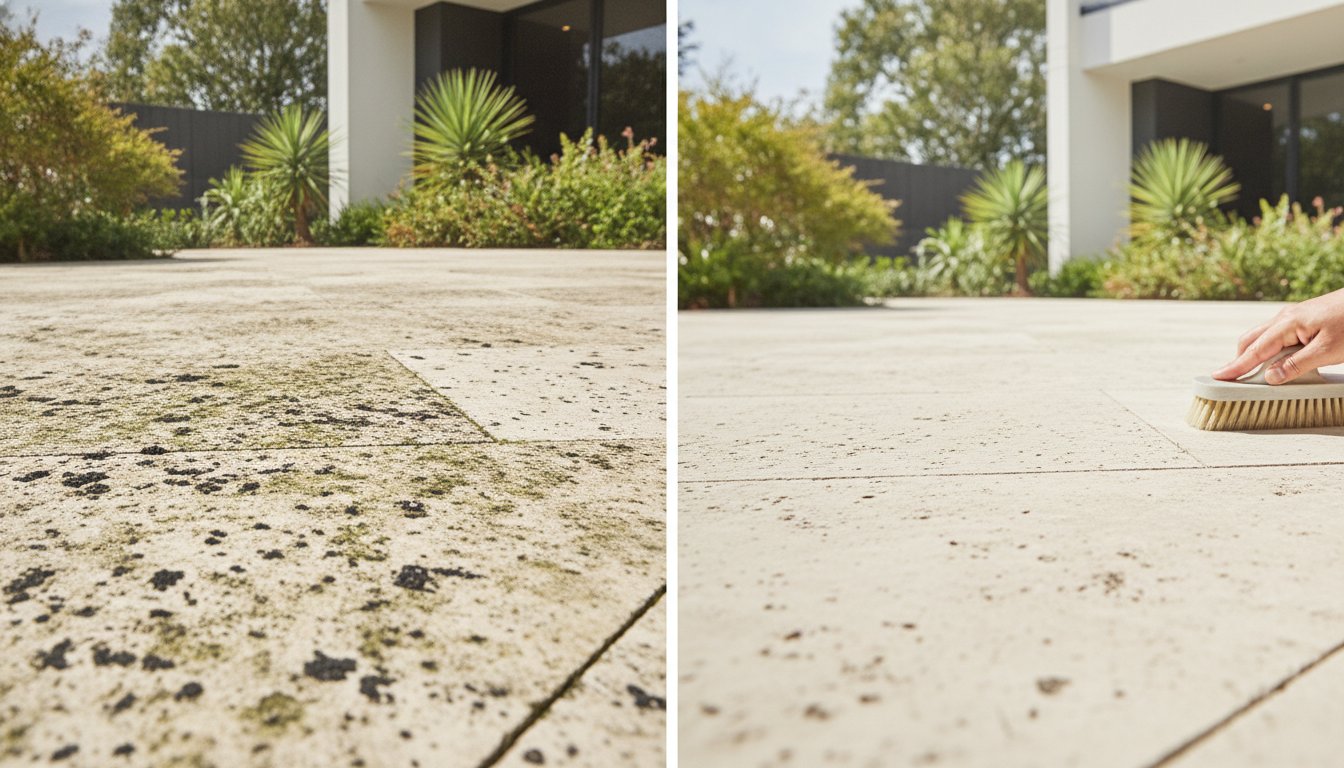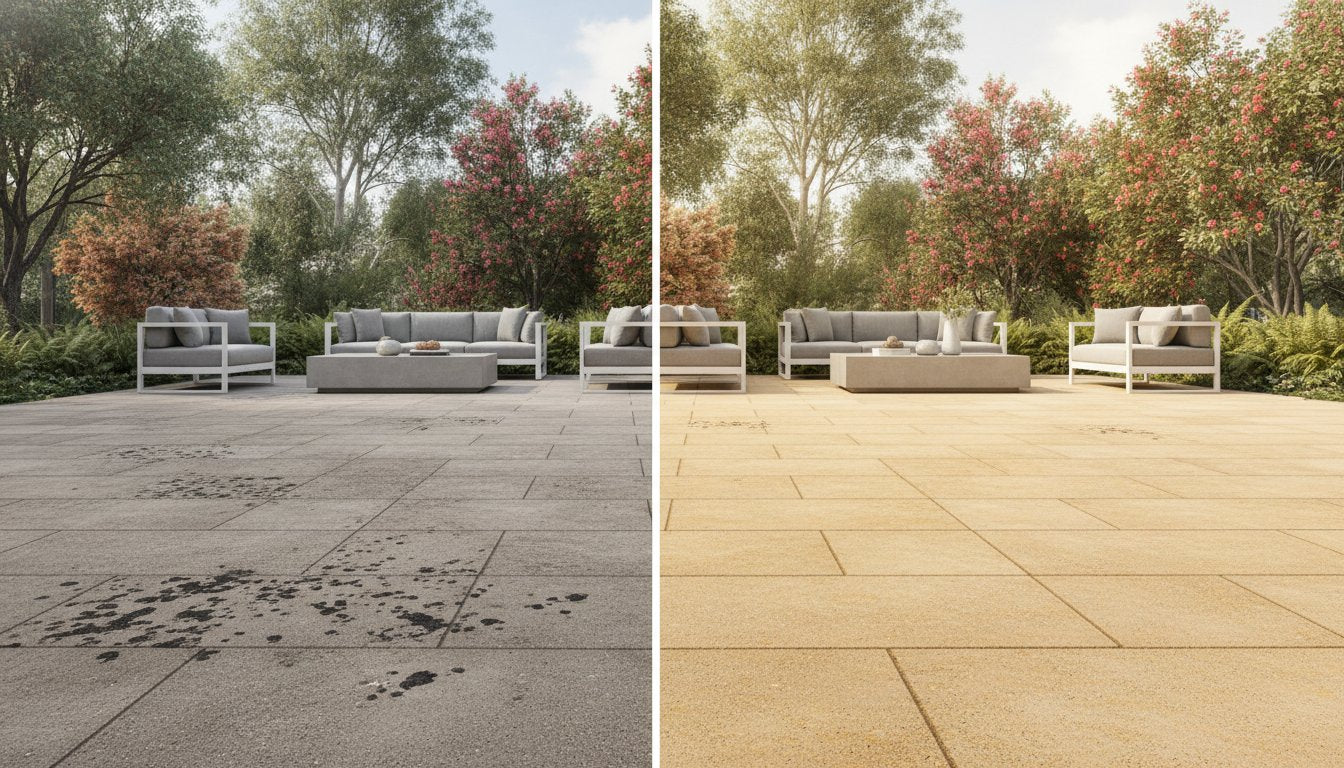
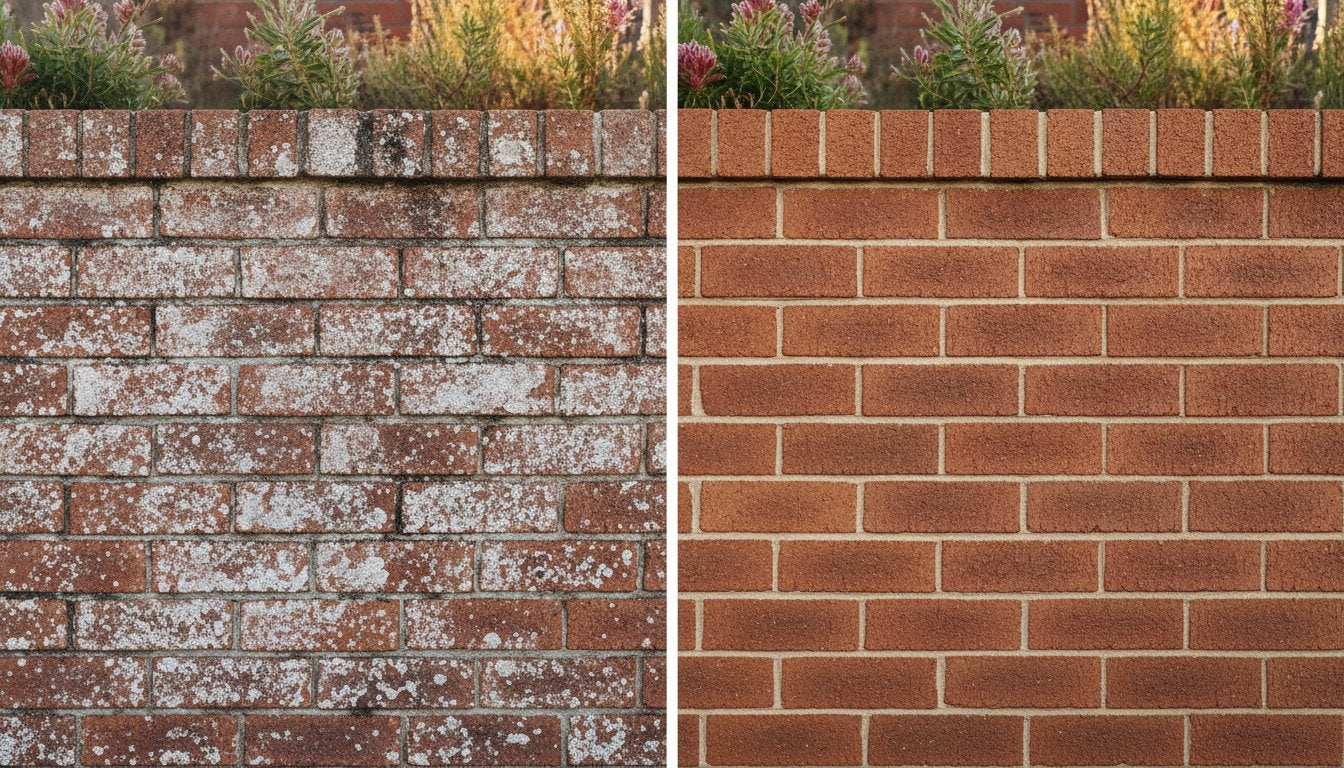
Why does that stubborn white powder return to your brickwork every time the Sydney rain clears? It's incredibly frustrating to watch your high-end masonry lose its luster to salty streaks and mysterious dark patches that refuse to budge. You've likely worried that reaching for a bottle of harsh hydrochloric acid might do more harm than good to your garden, your pets, or the bricks themselves. Understanding how to remove black spots from brick is just as vital as tackling the white efflorescence, especially when lichen and mould start to take hold in our humid coastal climate.
This 2026 guide reveals how to identify these common masonry headaches and safely eliminate them using biodegradable, acid-free solutions manufactured right here in Sydney. We'll show you how to break the recurring salt-migration cycle and restore your home's natural colour without risking your landscaping or the structural integrity of your mortar. Whether you're dealing with heritage clay or modern blocks, you'll discover the professional secrets to a clean, salt-free finish that actually lasts.
Key Takeaways
- Learn how to tell the difference between white efflorescence and black spots caused by lichen and other organic growth.
- Understand why efflorescence is a mineral deposit rather than a mould or biological growth.
- Find out why efflorescence can often be left to weather naturally rather than aggressively cleaned.
- Learn how to safely remove black spots and organic growth from brickwork.
- Understand how moisture, drainage and ventilation can contribute to recurring efflorescence.
- Discover when a specialist efflorescence remover may be appropriate.
Understanding Brick Efflorescence: Why Your Walls are Turning White
What is efflorescence? In simple terms, efflorescence is the appearance of water-soluble mineral salts on the surface of porous materials such as brick, concrete, stone and masonry. For this to happen, three things must exist: soluble salts within the masonry, moisture to dissolve them, and a clear path through the brick's pores. In Sydney, our humid air and salt-heavy coastal breezes from Bondi to Manly accelerate this "wicking" effect. The moisture carries the salts outward; leaving behind those unsightly white crystals once the sun hits the wall.
Common Sources of Salt in Masonry
Salts often originate from the natural minerals found in clay bricks or the cement used in mortar during construction. However, in many older Sydney properties, groundwater minerals rise through the brickwork via "rising damp." For homes near the ocean, the salt spray itself provides a constant external supply of minerals that settle into the porous surface. These salts remain dormant until rain or high humidity reactivates them, pushing them to the surface in a frustrating, recurring cycle.
Is it Black Spots or Efflorescence?
It's easy to confuse salt stains with organic growth. While efflorescence looks like white "whiskers" or powder, black spots are usually hardy lichens that have rooted into the brick. To tell them apart, try the water test: if the stain disappears when wet and reappears when dry, it's salt. If the dark patches remain visible regardless of moisture, you'll need to learn how to remove black spots from brick to restore the original colour. While salt is a mineral issue, black spots are living organisms that require a targeted, acid-free treatment to break their bond with the masonry.
What Should You Do About Efflorescence?
One of the most important things to understand about efflorescence is that you don't always need to remove it with a chemical cleaner.
In many cases, the white salt deposits will gradually weather away as the surface is exposed to rain and the salts are naturally washed away. If the efflorescence isn't causing a functional problem, simply allowing it to weather naturally can be the safest and simplest approach.
You can also gently brush loose deposits from the surface with a soft-bristled brush. Avoid aggressive scrubbing that could damage the face of the brick.
However, if efflorescence is persistent, particularly if it keeps returning in the same area, it's worth investigating why moisture is continually reaching the masonry.
Check for issues such as:
- Leaking or overflowing gutters
- Poor drainage
- Water pooling against walls
- Plumbing leaks
- Excessive moisture around the foundations
- Damp-proofing problems
- Irrigation or garden watering directed towards the brickwork
Removing the visible white deposit won't necessarily stop it from returning if the underlying moisture problem remains.
Should You Use an Efflorescence Remover?
If you want to actively remove established efflorescence rather than allowing it to weather naturally, there are specialist products available in Australia.
For example, Aqua Mix Eff-Ex is specifically marketed as a non-acidic efflorescence remover and inhibitor for masonry and other porous surfaces. Always follow the manufacturer's instructions and test an inconspicuous area first.
Another option is Crommelin Efflorescence Remover, which is an acid-based product designed to remove mineral salt deposits from surfaces including brickwork, concrete, masonry and natural stone.
Because acid-based cleaners can affect certain masonry, mortar, metals and surrounding surfaces, care should be taken when using them. Always read the manufacturer's instructions and check that the product is suitable for your particular surface.
If you're happy to let the efflorescence weather naturally, however, there may be no need to use a chemical cleaner at all.
What About Black Spots on Brick?
This is where a specialist organic-growth treatment can make a real difference.
Black spots on outdoor brickwork and paving are commonly associated with lichen and other biological growth. Unlike efflorescence, these organisms won't simply wash away because they're mineral deposits.
Our Patio Black Spot Remover is designed specifically to target black spot and organic growth on suitable outdoor surfaces.
Rather than treating the white mineral deposits caused by efflorescence, the product is intended for the organic growth that causes those stubborn dark marks.
This means that if your brickwork has both white efflorescence and black spots, you may need to approach the two problems separately.
How to Use Patio Black Spot Remover for Black Spots
Before treating any surface, always check that the product is suitable for the material you're cleaning and follow the instructions on the product label.
For black spots and organic growth:
- Remove loose dirt and debris from the surface.
- Apply Patio Black Spot Remover according to the product instructions.
- Allow the treatment to work as directed.
- Rinse the surface as recommended.
- For ongoing protection against organic growth, consider using a suitable preventative treatment.
The key is not to confuse the purpose of the product: Patio Black Spot Remover is designed for organic growth, not efflorescence.
Why We Don't Recommend Using Harsh Acid Just to Remove Efflorescence
It can be tempting to reach for a strong acid when you see stubborn white deposits on brickwork.
However, aggressive acid cleaning isn't something to undertake without considering the material you're treating. Acids can affect mortar, certain types of stone, metals and surrounding surfaces, and inappropriate use can cause permanent damage.
If the efflorescence isn't causing a problem, allowing the salts to naturally weather away may be a much simpler option.
If you do decide that chemical removal is necessary, choose a product specifically designed for efflorescence and follow its manufacturer's instructions carefully.
Maintenance and Prevention Strategies
Routine care is far easier than a full restoration. Using a preventer once a year keeps the surface clear of lichen and organic growth. This proactive step is a vital part of knowing how to remove black spots from brick for good. You should also check for "bridging" in your garden. This occurs when soil or mulch is piled against the wall above the damp-proof course, allowing moisture to bypass your home's natural defences.
When to Call a Specialist
Sometimes a surface cleaner can't solve the underlying problem. If white stains persist despite fixing your gutters, you might be dealing with structural damp. This could indicate a plumbing leak behind the wall or a failed damp-proof course. Monitoring your brickwork after a professional clean helps you spot these deep-seated issues early. If you've already learned how to remove black spots from brick but the salts keep returning in one specific area, it's time to consult a building inspector or plumber.
Restore the Natural Beauty of Your Australian Brickwork
Efflorescence and black spots can look similar at first glance, but they require very different approaches.
Efflorescence is a mineral deposit caused by moisture and salt movement through porous masonry. In many cases, it can simply be allowed to weather naturally, with rain gradually washing the surface salts away. If it persists, addressing the underlying moisture source is often more important than repeatedly cleaning the surface.
Black spots and lichen are organic growth. These require a completely different approach, which is where a specialist product such as Patio Black Spot Remover can help.
If you're unsure what you're dealing with, identify the type of staining before reaching for a cleaning product. Treating the right problem with the right product will give you a much better chance of restoring your brickwork without unnecessary damage.
Frequently Asked Questions
Will efflorescence go away on its own over time?
Often, yes. Surface efflorescence can gradually weather away as rain naturally washes the mineral salts from the surface.
However, if the deposits keep returning, there may be an ongoing source of moisture moving through the masonry. In that situation, addressing the underlying moisture problem is more important than repeatedly removing the visible salt deposits.
Should I remove efflorescence from my bricks?
Not necessarily. If the efflorescence is purely cosmetic and the masonry is otherwise healthy, you may choose to let it weather naturally.
Loose deposits can also be gently brushed away with a soft-bristled brush.
For heavy or persistent deposits where you want active removal, a specialist efflorescence-removal product may be appropriate.
Does Patio Black Spot Remover remove efflorescence?
No. Patio Black Spot Remover is designed to treat black spots, lichen and other organic growth. It does not remove efflorescence.
Efflorescence is a mineral deposit, so it requires a different approach. In many cases, we recommend allowing surface efflorescence to weather naturally rather than using an aggressive chemical cleaner.
What product can I use to remove efflorescence?
There are specialist efflorescence-removal products available in Australia, including non-acidic products such as Aqua Mix Eff-Ex and acid-based products such as Crommelin Efflorescence Remover.
Always check the manufacturer's instructions and make sure the product is suitable for your particular brick, masonry or stone surface before use.
Can I use vinegar to remove efflorescence from my bricks?
Although vinegar is acidic and may react with some mineral deposits, we don't recommend experimenting with household acids on masonry.
If you want to chemically remove efflorescence, it's better to use a product specifically formulated for that purpose and follow its manufacturer's instructions.
Alternatively, if the efflorescence is only cosmetic, allowing rain to naturally wash the salts away may be the simplest option.
Is it safe to pressure wash bricks with white stains or black spots?
Pressure washing can be too aggressive for some brick and masonry surfaces, particularly older or softer materials. It can also drive water further into porous masonry.
If you're treating black spots, a specialist organic-growth treatment can be a gentler alternative to relying solely on high-pressure washing.
For efflorescence, remember that the underlying issue is moisture and salt movement, so simply pressure washing the visible deposits won't necessarily prevent them from returning.
Why does the white powder come back after it rains?
Rain introduces moisture into porous masonry. As that moisture moves through the brick and eventually evaporates, it can carry dissolved salts towards the surface. When the water evaporates, the salts are left behind as the familiar white powder or crystalline deposit.
If this happens repeatedly in the same area, investigate the source of the moisture rather than simply cleaning the surface each time.
What is the difference between efflorescence and white mould?
Efflorescence is a mineral deposit rather than a living organism. It is usually white, powdery or crystalline and is associated with moisture moving through masonry.
Mould is an organic growth and may have a different texture and appearance.
If you're unsure what you're looking at, it's important to identify the staining before choosing a cleaning product.
Can I use Patio Black Spot Remover on efflorescence?
No. Patio Black Spot Remover is intended for black spots, lichen and other organic growth, not mineral deposits such as efflorescence.
If your surface has both problems, treat them as two separate issues: allow or appropriately treat the efflorescence, and use a suitable organic-growth treatment for the black spots.